The Ceramic Thermal Stove represents a new generation of high-efficiency, energy-saving heating equipment designed for residential, commercial, and industrial environments. By integrating advanced ceramic heating elements with optimized thermal conductivity and heat retention technology, this system provides faster heating, stable temperature control, and long-lasting performance.
In this in-depth guide, we explore how ceramic thermal stoves work, their structural advantages, energy-saving performance, safety features, and real-world applications. We also compare them with traditional heating systems to help you determine whether this modern heating solution is right for your needs.
📑 Table of Contents
1️⃣ What Is a Ceramic Thermal Stove?
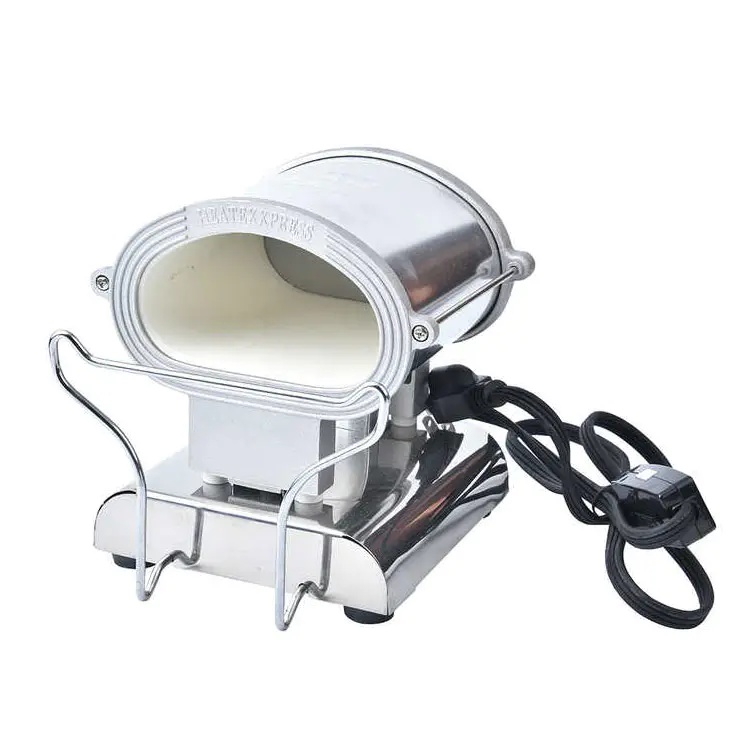
A Ceramic Thermal Stove is an electric heating device that uses advanced ceramic heating elements to generate and retain heat efficiently. Unlike traditional metal-coil heaters, ceramic-based systems rely on high-density ceramic materials that offer superior thermal conductivity and even heat distribution.
Ceramic heating technology is widely recognized for its durability, rapid heat response, and energy efficiency. Companies like Rayvex integrate precision temperature control systems to ensure optimal heating performance in various applications.
2️⃣ How Does a Ceramic Thermal Stove Work?
The working principle is based on three key stages:
-
Electric Energy Conversion – Electricity flows through ceramic heating elements.
-
Heat Generation – Ceramic materials convert electrical energy into thermal energy.
-
Heat Distribution – Heat is evenly radiated or conducted to the surrounding environment.
Due to ceramic’s high heat retention capability, the stove maintains stable temperatures with reduced power cycling, improving overall efficiency.
3️⃣ Key Components and Materials
-
High-density ceramic heating core
-
Temperature control module
-
Thermal insulation casing
-
Overheat protection system
-
Energy-efficient power regulator
The ceramic core is typically made from advanced engineered ceramics that withstand high temperatures while preventing thermal cracking.
4️⃣ Advantages Over Traditional Heating Systems
✔ Faster Heating Response
Ceramic elements heat up quickly and distribute warmth evenly.
✔ Better Energy Efficiency
Reduced energy loss compared to conventional metal heating coils.
✔ Enhanced Durability
Ceramic materials resist oxidation and corrosion.
✔ Stable Temperature Control
Advanced thermostats maintain consistent heat output.
5️⃣ Energy Efficiency and Cost Savings
Energy efficiency is one of the most compelling reasons to choose a ceramic thermal stove. Due to its high thermal retention, less electricity is required to maintain target temperatures.
-
Lower standby power consumption
-
Reduced heating cycle frequency
-
Minimized heat dissipation loss
Over time, these factors contribute to significant cost savings, particularly in commercial and industrial environments.
6️⃣ Safety and Environmental Benefits
-
Overheat automatic shutdown
-
Fire-resistant ceramic materials
-
No open flame operation
-
Reduced carbon emissions (electric operation)
Compared with gas-powered heating systems, ceramic thermal stoves produce no combustion gases, making them safer for indoor use.
7️⃣ Applications Across Industries
Ceramic thermal stoves are widely used in:
-
Residential heating
-
Workshops and garages
-
Greenhouses
-
Industrial processing environments
-
Temporary heating installations
Their flexibility and compact design allow easy integration into modern heating systems.
8️⃣ Maintenance and Longevity
Ceramic thermal stoves require minimal maintenance due to their non-corrosive ceramic cores.
-
Regular dust cleaning
-
Periodic inspection of wiring
-
Thermostat calibration checks
With proper care, high-quality models can operate efficiently for many years.
9️⃣ Technical Comparison Table
|
Feature
|
Ceramic Thermal Stove
|
Traditional Coil Heater
|
|
Heating Speed
|
Fast
|
Moderate
|
|
Energy Efficiency
|
High
|
Medium
|
|
Durability
|
Long-lasting
|
Prone to oxidation
|
|
Safety
|
No open flame
|
Exposed hot coils
|
|
Maintenance
|
Low
|
Medium
|
🔎 10️⃣ Frequently Asked Questions (FAQ)
Q1: Is a ceramic thermal stove energy efficient?
Yes, it retains heat effectively and reduces power consumption compared to traditional heating systems.
Q2: Can it be used indoors safely?
Absolutely. Since there is no combustion process, it produces no harmful gases.
Q3: How long does a ceramic heating element last?
High-quality ceramic cores can last several years under normal operating conditions.
Q4: Does it require special installation?
Most models are plug-and-play, though industrial versions may require professional installation.
🚀 11️⃣ Final Thoughts
The Ceramic Thermal Stove is redefining modern heating with its superior efficiency, durability, and safety. Whether for residential warmth or industrial heating demands, ceramic-based systems provide a reliable and cost-effective solution.
As energy efficiency standards continue to rise globally, investing in advanced heating technology is no longer optional—it’s essential. Choosing a trusted manufacturer like Rayvex ensures quality, performance, and long-term value.
Looking for a high-performance Ceramic Thermal Stove tailored to your specific requirements? Contact us today to learn how Rayvex can deliver innovative, energy-efficient heating solutions designed for your application.