A Flat Pressing Iron has become one of the most important tools in modern hair styling. From sleek straight hair to soft waves and curls, this versatile styling device allows professionals and home users to achieve salon-quality results quickly and safely. In this comprehensive guide, we explore how flat pressing irons work, their advantages, key features, materials, temperature technologies, and how to choose the best option for different hair types. We also analyze professional styling techniques, safety tips, and maintenance methods to maximize performance and longevity. This guide is designed for stylists, salon owners, retailers, and consumers looking to better understand how flat pressing irons improve styling efficiency and hair health.
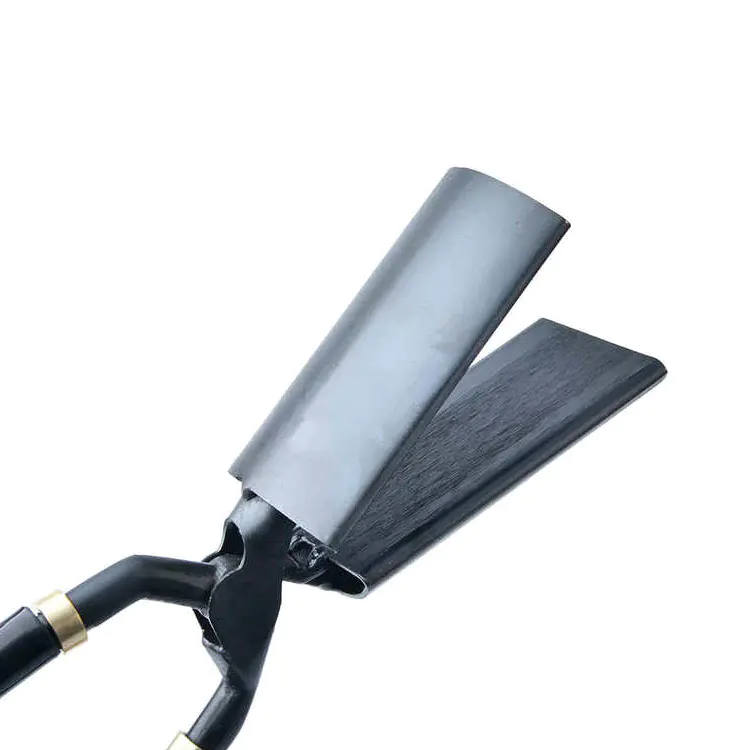
Table of Contents
What Is a Flat Pressing Iron?
A Flat Pressing Iron is a heated hair styling device designed to straighten, smooth, and shape hair by applying controlled heat and pressure between two flat plates. Unlike traditional pressing tools used decades ago, modern flat pressing irons incorporate advanced heating elements, ceramic or titanium plates, and digital temperature controls to protect hair while delivering consistent styling results.
Flat pressing irons are widely used in:
-
Professional hair salons
-
Beauty studios
-
Home hair styling routines
-
Fashion and photo shoot styling
-
Hair care product demonstrations
Modern manufacturers such as Rayvex continue to innovate by integrating ergonomic designs, advanced heat distribution systems, and improved plate technologies to meet the demands of professional stylists and consumers worldwide.
Why Are Flat Pressing Irons Popular in Modern Hair Styling?
Hair styling trends continue to evolve, but sleek, smooth, and controlled hair textures remain timeless. A flat pressing iron provides the versatility required to achieve many styles with one single device.
Main Benefits
-
Creates smooth and glossy hair
-
Reduces frizz and static
-
Works on multiple hair types
-
Allows both straightening and curling
-
Quick heat-up time
-
Professional salon-level results
Another reason for its popularity is its ability to seal hair cuticles while styling, which improves shine and reduces moisture loss.
Key Components of a Professional Flat Pressing Iron
Understanding the main components of a flat pressing iron helps users evaluate product quality and performance.
|
Component
|
Function
|
Importance
|
|
Heating Plates
|
Provide even heat to press and smooth hair
|
Core styling surface
|
|
Temperature Control
|
Allows adjustable heat settings
|
Prevents hair damage
|
|
Heating Element
|
Generates heat quickly
|
Improves styling efficiency
|
|
Ergonomic Handle
|
Ensures comfortable grip
|
Reduces hand fatigue
|
|
Swivel Cord
|
Allows flexible movement
|
Prevents tangling
|
Premium flat pressing irons integrate intelligent heat distribution systems that maintain consistent plate temperatures during styling sessions.
Types of Flat Pressing Iron Plate Materials
The material used for heating plates significantly influences performance, durability, and hair protection.
Ceramic Plates
-
Even heat distribution
-
Gentle on hair
-
Reduces hot spots
Titanium Plates
-
Extremely durable
-
Heats up quickly
-
Ideal for thick hair
Tourmaline Plates
-
Produces negative ions
-
Reduces frizz
-
Enhances hair shine
|
Material
|
Best For
|
Heat Speed
|
Hair Protection
|
|
Ceramic
|
Fine hair
|
Medium
|
High
|
|
Titanium
|
Thick hair
|
Fast
|
Medium
|
|
Tourmaline
|
Frizzy hair
|
Fast
|
High
|
Temperature Technology and Heat Control
Temperature management is critical when using a flat pressing iron. Excessive heat can damage hair cuticles, while insufficient heat may lead to ineffective styling.
Typical Temperature Ranges
-
250°F – 300°F: Fine or damaged hair
-
300°F – 375°F: Normal hair
-
375°F – 450°F: Thick or coarse hair
Modern flat pressing irons feature:
-
Digital temperature displays
-
Rapid heating technology
-
Auto shut-off safety systems
-
Heat memory functions
Professional-grade styling tools available through manufacturers like Flat Pressing Iron solutions provide advanced heating systems designed to maintain stable temperatures throughout the styling process.
How to Choose the Best Flat Pressing Iron
Selecting the right flat pressing iron depends on hair type, styling needs, and professional usage requirements.
Important Buying Factors
-
Plate material
-
Temperature range
-
Plate width
-
Heating speed
-
Safety features
-
Durability
|
Hair Type
|
Recommended Plate
|
Temperature
|
|
Fine Hair
|
Ceramic
|
250–320°F
|
|
Wavy Hair
|
Tourmaline
|
300–370°F
|
|
Thick Hair
|
Titanium
|
370–450°F
|
Professional Styling Techniques Using a Flat Pressing Iron
Flat pressing irons are extremely versatile and can be used to create multiple hairstyles.
Straight Hair Technique
-
Wash and dry hair completely
-
Apply heat protection spray
-
Divide hair into small sections
-
Glide the flat pressing iron slowly from root to tip
Soft Waves Technique
-
Clamp hair with the iron
-
Rotate the iron slightly
-
Slide down slowly
-
Repeat for natural waves
Curl Creation
-
Wrap hair around the plate edge
-
Rotate the iron 180 degrees
-
Pull gently downward
Flat Pressing Iron vs Traditional Hair Straightener
|
Feature
|
Flat Pressing Iron
|
Traditional Straightener
|
|
Heat Control
|
Advanced
|
Basic
|
|
Styling Versatility
|
High
|
Medium
|
|
Heat Distribution
|
Uniform
|
Variable
|
|
Professional Usage
|
Common
|
Limited
|
Maintenance and Safety Tips
Proper maintenance ensures longer product lifespan and consistent styling performance.
Maintenance Checklist
-
Clean plates after each use
-
Avoid chemical buildup
-
Store in heat-resistant pouch
-
Check cord condition regularly
Safety Recommendations
-
Always unplug after use
-
Do not use near water
-
Allow the device to cool before storage
-
Use appropriate temperature settings
Industry Trends and Future Innovation
Hair styling technology continues to advance rapidly. The next generation of flat pressing irons is expected to include:
-
AI temperature adjustment
-
Infrared heat technology
-
Smart hair moisture detection
-
Wireless rechargeable designs
Companies such as Rayvex are focusing on developing high-performance styling tools that combine safety, efficiency, and hair care technology to meet the growing demands of professional stylists and beauty enthusiasts.
FAQ About Flat Pressing Irons
1. Is a flat pressing iron safe for daily use?
Yes, when used at appropriate temperatures and with heat protection products, a flat pressing iron can be used safely without causing significant hair damage.
2. What temperature should I use for fine hair?
Fine hair typically requires lower heat levels between 250°F and 300°F to prevent breakage and dryness.
3. How often should I clean my flat pressing iron?
It is recommended to clean the plates after every few uses to remove styling product buildup.
4. Can a flat pressing iron create curls?
Yes. With proper technique, a flat pressing iron can create waves, curls, and textured styles.
5. How long does a professional flat pressing iron last?
High-quality styling tools can last several years with proper maintenance and careful handling.
Conclusion
A Flat Pressing Iron is one of the most versatile and powerful tools in the modern beauty industry. With advanced heating technologies, improved materials, and ergonomic designs, it allows both professionals and everyday users to create flawless hairstyles quickly and safely. Whether used for sleek straight looks, soft waves, or elegant curls, flat pressing irons continue to transform hair styling practices around the world.
If you are looking for reliable, high-performance hair styling tools designed for professional results, the innovative solutions developed by Rayvex offer excellent durability, precision heat control, and modern styling technology. For product details, customization options, or wholesale inquiries, feel free to contact us to learn more about how our styling tools can support your business or personal styling needs.