A good hair tool should save time without making hair feel brittle, rough, or overworked. That is exactly why more buyers are paying attention to the Hot Comb. Whether the goal is smoothing roots, refining wig lines, taming frizz, or creating a polished finish before a busy day, the right tool can solve several styling problems at once. As I looked deeper into what professional buyers and end users actually need, I found that performance matters most when it is paired with temperature control, comfort, consistency, and long-term reliability. That is where Ningbo Ruishi Technology Co., Ltd. enters the conversation with a manufacturing background focused on practical styling tools built for real use.
Article Summary
This article explores what makes a Hot Comb valuable for both personal care users and professional buyers. I explain the most common styling pain points, how a modern heated comb addresses them, what features actually matter in day-to-day use, and how to evaluate product quality before sourcing. I also compare common buying priorities, share a practical feature checklist, and answer the questions buyers ask most often before placing an order.
What Will This Article Cover?
-
I will explain the real user frustrations behind heat styling.
-
I will show how a Hot Comb helps solve those problems more efficiently.
-
I will break down the features that influence comfort, safety, and styling quality.
-
I will outline how importers, wholesalers, and brand owners can evaluate a supplier more carefully.
-
I will close with practical answers to the most common sourcing and usage questions.
Why Do So Many People Struggle With Hair Tools?
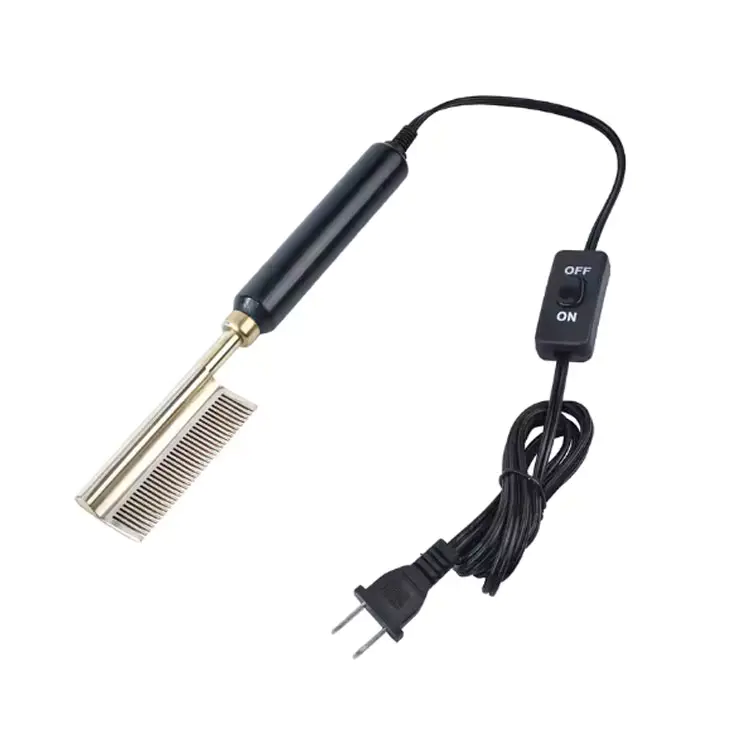
Hair styling sounds simple until it becomes part of a daily routine. Many users are trying to get sleek, defined, or well-shaped hair in a limited amount of time. What usually gets in the way is not effort but inconsistency. One tool runs too hot and causes dryness. Another takes too long to heat up. Some tools are heavy, awkward, or difficult to maneuver close to the roots. Others work on one hair texture but fail on another.
I have noticed that the most frustrating problems tend to fall into the same pattern. Users want a neat result, but they do not want to fight with their tools every morning. Buyers face another layer of pressure because they are not just selecting a product for themselves. They are choosing something that needs to satisfy retail customers, salon users, or distribution partners across different markets.
|
Common Problem
|
What the User Feels
|
What the Buyer Should Notice
|
|
Uneven heat
|
Hair looks patchy or requires repeated passes
|
Heating system quality and temperature stability matter
|
|
Slow heat-up time
|
Styling becomes inconvenient during busy routines
|
Fast heat-up can improve satisfaction and repeat purchase rates
|
|
Poor handling
|
User feels wrist fatigue or lacks control near the hairline
|
Ergonomic design affects user reviews and product acceptance
|
|
Overheating risk
|
Users worry about damage or accidental misuse
|
Safety features strongly influence trust in the brand
|
|
Limited versatility
|
Tool works only for one styling scenario
|
Broader use cases make the product easier to market
|
What Makes a Hot Comb Different From Other Styling Tools?
A Hot Comb stands out because it combines the directional control of a comb with the smoothing power of heat. That sounds simple, but in practice it changes the styling experience. Instead of flattening hair between plates in a rigid motion, the tool follows the natural path of the hair more directly. This makes it especially useful for roots, edges, wigs, textured sections, touch-ups, and detail work that often feels awkward with larger devices.
The strongest versions of this product category are designed to deliver fast, even heat while still allowing the user to move carefully through the hair. That balance is important. It means the tool is not trying to replace every styling device in the world. It is trying to do a set of highly useful tasks very well.
For buyers, this makes the Hot Comb easier to position in the market. It can appeal to people who want precise finishing, people who style wigs, people who manage coarse or curly roots, and people who simply want a compact heated tool that feels more targeted than a standard flat iron.
Which Benefits Matter Most In Everyday Use?
Not every specification matters equally. In real-world use, the best results usually come from a few practical advantages working together. I would focus on the following points when explaining the value of a Hot Comb to customers or distribution partners.
-
Faster styling flow
A tool that heats quickly and moves smoothly through the hair reduces waiting time and repetitive passes.
-
More targeted control
A comb-based structure makes it easier to work on roots, small sections, and hairlines without feeling clumsy.
-
Better finish quality
Consistent heat helps reduce frizz and refine the final look rather than leaving some areas rough and others overdone.
-
Greater comfort in use
An ergonomic handle and stable grip can make a surprising difference during routine styling.
-
More confidence in safety
Automatic shut-off and controlled heating support safer use, especially in home environments.
This is where manufacturing experience becomes relevant. A supplier is not only making a tool shape. It is deciding how the tool behaves under repeated use. Ningbo Ruishi Technology Co., Ltd. is relevant in this discussion because buyers often want more than a surface-level product description. They want to know whether the company behind the product understands design, production discipline, and long-term market expectations.
What Should Buyers Look For Before Sourcing?
When I evaluate a styling product for sourcing, I never start with appearance alone. A sleek design may help online conversion, but it does not guarantee user satisfaction. The more important question is whether the product performs consistently under different styling conditions.
Here are the checkpoints I would use before deciding on a Hot Comb supplier:
-
Temperature range and adjustability
Different hair types need different settings. A wide and controlled range gives the product broader market fit.
-
Heat-up speed
Fast readiness improves convenience and helps position the product as efficient rather than outdated.
-
Heating consistency
Stable heat usually produces better styling results and reduces complaints about patchy performance.
-
Safety functions
Features such as automatic shut-off support better user trust and reduce fear of misuse.
-
Material choice
Surface materials and heating components influence heat transfer, durability, and overall feel.
-
Manufacturing background
OEM or ODM buyers should pay attention to technical capability, factory management, and development strength.
-
Support for customization
Packaging, branding, color matching, and feature adaptation matter when building private-label programs.
|
Buyer Priority
|
Why It Matters
|
What It Supports
|
|
Stable temperature control
|
Improves reliability across hair textures
|
Lower return risk and stronger product reputation
|
|
Quick heat-up
|
Matches modern daily-use expectations
|
Better user convenience and stronger reviews
|
|
Safety design
|
Reduces hesitation before purchase
|
Greater trust from home-use customers
|
|
OEM/ODM capacity
|
Helps buyers build a distinct product line
|
Brand expansion and market differentiation
|
|
Factory experience
|
Supports consistency and long-term supply
|
More dependable partnership
|
How Does a Hot Comb Compare With Other Options?
Buyers often ask whether a Hot Comb is too narrow as a product category. I do not think so. In fact, it fills a useful gap. A standard flat iron is effective for broad straightening, but it can feel less precise for detail work. A blow dryer and brush combination may add volume, but it can take more time and effort. A heated brush may feel gentler, but it may not offer the same focused finishing ability near roots or wig edges.
|
Tool Type
|
Best Use
|
Main Advantage
|
Main Limitation
|
|
Hot Comb
|
Roots, detail styling, wig finishing, smoothing
|
Precision with heat control
|
Not meant for every large-area styling job
|
|
Flat Iron
|
Broad straightening
|
Strong pressing power
|
Less flexible in small targeted areas
|
|
Heated Brush
|
Quick smoothing and soft shaping
|
Easy general handling
|
May lack detail precision
|
|
Blow Dryer + Brush
|
Volume and shaping
|
Multi-step styling potential
|
More technique and time required
|
This comparison actually strengthens the position of the Hot Comb. It is not trying to be everything. It becomes attractive because it solves specific styling tasks with efficiency and control.
Which Features Are Worth Paying For?
Some features sound impressive in product listings but do very little in practice. Others quietly make the product much better. If I were narrowing down a sourcing decision, I would pay closer attention to the features below.
-
Multiple temperature settings
This helps the product serve more hair textures and styling habits.
-
Fast and even heating
Users notice this immediately, even if they cannot explain it in technical terms.
-
Comfortable handle design
Ease of use often becomes a deciding factor in customer reviews.
-
Clear display or intuitive controls
Simple control helps reduce mistakes and gives the product a more professional feel.
-
Auto shut-off
This feature supports peace of mind, especially for household users.
-
Stable manufacturing quality
A great sample is not enough. Buyers need repeatable production quality.
For that reason, the supplier profile matters almost as much as the product itself. A company with experience in product development, production management, and export supply can often respond better when buyers need modifications, packaging adjustments, or long-term cooperation. That is one reason why buyers keep looking at manufacturers like Ningbo Ruishi Technology Co., Ltd. when evaluating the Hot Comb category.
What Helps Users Get Better Results And Longer Tool Life?
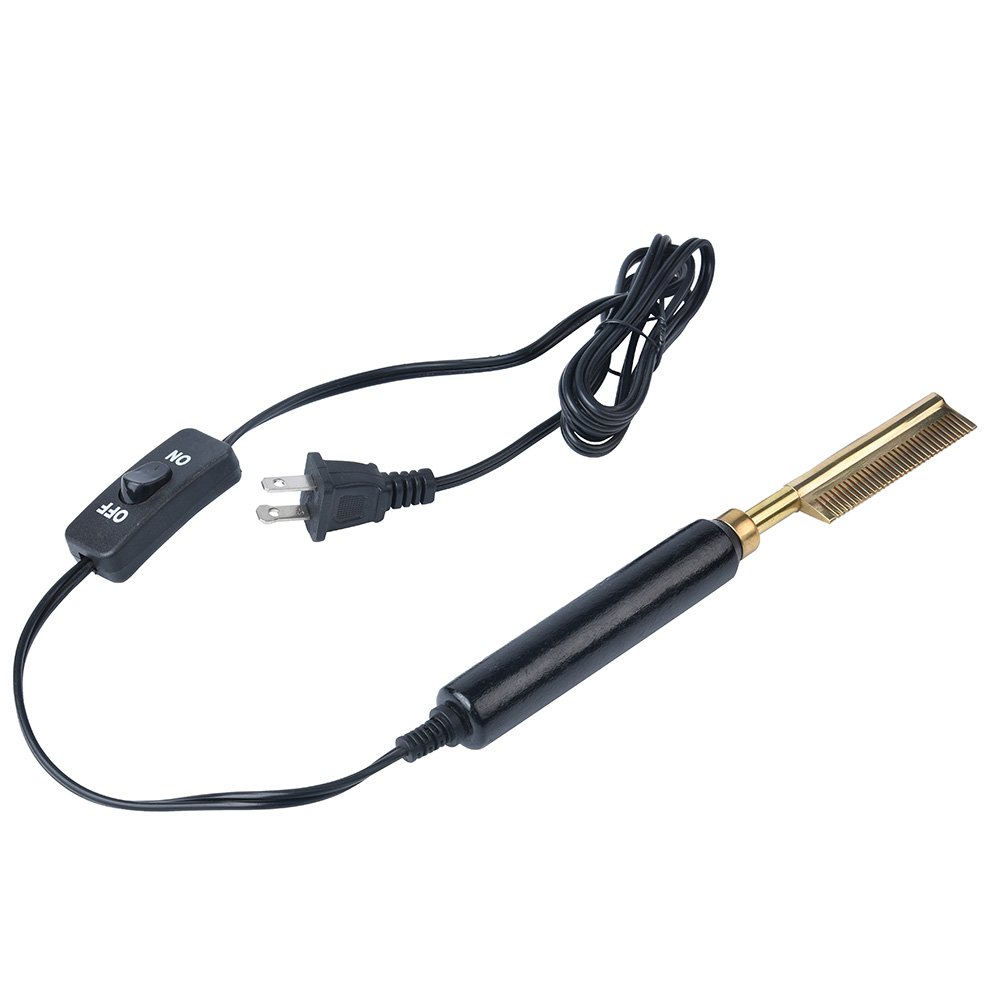
Even a strong product performs better when users understand basic handling. This section is useful for blog readers because it adds practical value instead of sounding like a sales page.
-
Start with clean, dry, and detangled hair whenever possible.
-
Use the lowest effective temperature instead of assuming higher heat is always better.
-
Work in sections to improve consistency and reduce repeated passes.
-
Allow the tool to glide steadily rather than forcing it through resistant hair.
-
Clean the comb surface regularly after use to prevent residue buildup.
-
Store the tool carefully once it has cooled to protect both the heating area and the cord.
These habits do not just improve styling results. They also help users feel that the product is dependable, easy to live with, and worth recommending. From a buyer’s point of view, that is the kind of experience that supports repeat orders.
What Questions Do Buyers Ask Most Often?
What hair types can a Hot Comb work with?
A well-designed Hot Comb can support a range of hair textures, especially when it offers adjustable temperature settings. The key is matching the heat level to the styling need rather than using one fixed setting for everyone.
Is a Hot Comb only useful for professional salons?
No. It can be useful for both professional and home users. Salons may value precision and speed, while home users often appreciate convenience, smoother finishing, and easier root styling.
Why is temperature control so important?
Better temperature control improves styling consistency and helps users avoid unnecessary overheating. It also makes the product more versatile across different hair conditions.
What makes one supplier more reliable than another?
I would look at development capability, quality discipline, export experience, communication efficiency, and whether the supplier can support OEM or ODM needs in a realistic way.
Can a Hot Comb be a strong private-label product?
Yes, especially when the supplier can support branding, packaging customization, and stable quality across production batches. The category has clear use cases and broad retail potential.
A styling product only earns long-term trust when it delivers practical value every time it is used. That is why I believe the Hot Comb remains a strong category: it solves visible problems, supports multiple styling scenarios, and gives buyers a product with clear market logic. When that product is backed by manufacturing experience, controllable quality, and customization support, it becomes even more attractive for importers, wholesalers, and brand owners.
If you are reviewing sourcing options and want a partner that understands product development, export expectations, and practical styling performance, Ningbo Ruishi Technology Co., Ltd. is worth a closer look. If you want to discuss specifications, customization, packaging, or wholesale cooperation, contact us and start the conversation with your project requirements.