Proper cleaning and maintenance of a Pressing Comb Brass model is essential to ensure long-term performance, precision, and durability. In our factory, we emphasize that routine care not only prolongs the life of the equipment but also maintains consistent pressing quality. At Ningbo Ruishi Technology Co., Ltd., we have developed standardized procedures and recommend specific products and techniques to industrial users handling pressing brass components. Our team has found that following these practices improves reliability and reduces operational downtime.
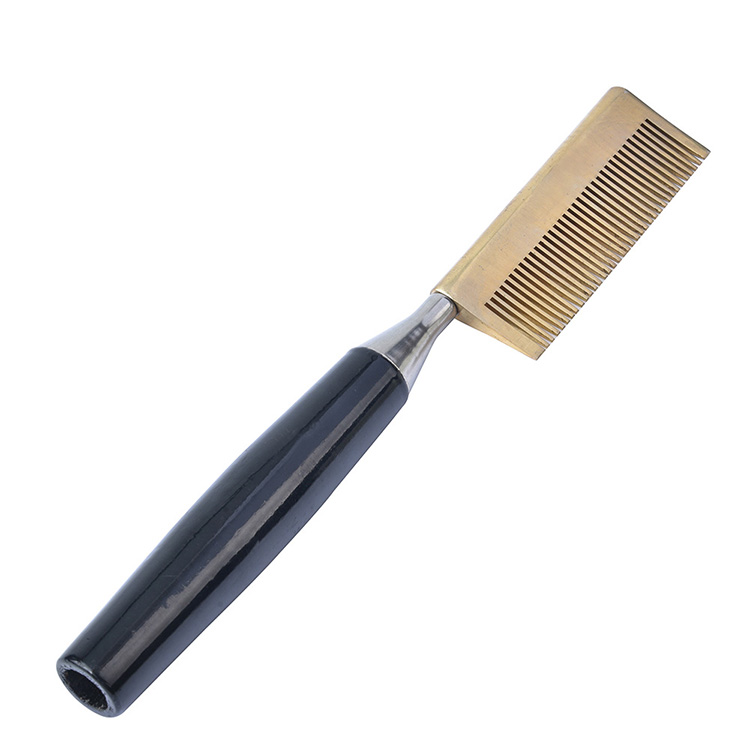
What Are the Recommended Cleaning Methods for Pressing Comb Brass?
Keeping a Pressing Comb Brass clean involves removing metal residues, dust, and lubricants without causing surface damage. Our factory advises using non-abrasive brushes, soft cloths, or specialized brass cleaners. When cleaning, it is crucial to avoid excessive moisture which can lead to oxidation. In our experience, regular cleaning after each production shift maintains optimal contact precision and prevents wear. Ningbo Ruishi Technology Co., Ltd. provides cleaning kits that match the dimensions and surface characteristics of our pressing combs, making the process efficient for operators.
Below is a reference table showing typical cleaning methods and their recommended applications:
|
Cleaning Method
|
Recommended Use
|
Frequency
|
Notes
|
|
Soft-bristle brush
|
Remove dust and light debris
|
Daily
|
Gentle on brass surface, avoids scratches
|
|
Brass-safe cleaning solution
|
Remove grease and oxidation
|
Weekly
|
Use minimal solution and dry immediately
|
|
Compressed air
|
Clear particles in tight spaces
|
As needed
|
Prevents build-up in small crevices
|
How Should Operators Lubricate and Protect Pressing Comb Brass?
Lubrication is critical to maintain smooth operation and prevent metal fatigue. Our engineers recommend applying thin, high-quality lubricants that do not attract dust. Over-lubrication can cause accumulation, leading to irregular pressing and potential jamming. In our factory, we standardize the amount and type of lubricant used for all Pressing Comb Brass models. Ningbo Ruishi Technology Co., Ltd. also supplies guidance on the suitable lubricant grades depending on production conditions.
Regular lubrication reduces friction between comb teeth and pressing surfaces, which directly impacts the lifespan of the model. Our team advises performing visual inspections before each shift and applying lubricant only to areas subject to direct contact. This approach maintains optimal performance without compromising product tolerance.
What Maintenance Checks Ensure Long-Term Performance of Pressing Comb Brass?
Routine maintenance extends the service life of Pressing Comb Brass and ensures precision. Our factory follows a checklist including inspection for wear, alignment verification, and verification of surface integrity. Misalignment or uneven wear can affect the quality of pressed components and may lead to costly downtime. Operators should also monitor any changes in spring tension or tooth spacing, as these are indicators of mechanical fatigue. Our engineers at Ningbo Ruishi Technology Co., Ltd. recommend documenting all inspections and maintenance activities for long-term operational planning.
The table below summarizes key maintenance parameters, expected ranges, and recommended actions:
|
Parameter
|
Expected Range
|
Recommended Action
|
Frequency
|
|
Tooth wear
|
Within 0.1 mm tolerance
|
Polish or replace affected teeth
|
Monthly
|
|
Alignment deviation
|
Less than 0.2 mm
|
Adjust mounting or realign
|
Monthly
|
|
Surface oxidation
|
Minimal or absent
|
Clean and apply protective coating
|
Weekly
|
How to Store Pressing Comb Brass When Not in Use?
Proper storage prevents environmental damage such as corrosion or mechanical deformation. Our factory recommends storing the comb in dry, temperature-stable environments. Wrapping the comb in anti-corrosion paper or keeping it in protective cases reduces exposure to humidity and airborne particles. For long-term storage, our engineers advise periodic inspection and light re-lubrication before returning the model to production. Implementing these practices ensures consistent performance and reduces unexpected maintenance needs.
FAQ: How to Clean And Maintain a Pressing Comb Brass Model?
Q1: What is the best way to remove stubborn oxidation without damaging the comb?
Use a specialized brass cleaning solution and a soft cloth. Apply gently along the surface and avoid scrubbing across teeth edges. After cleaning, rinse with minimal water, dry thoroughly, and apply a light protective lubricant. This maintains surface integrity and prevents future oxidation.
Q2: How often should lubrication be applied to ensure smooth operation?
Lubrication should be checked daily and applied as needed, focusing on contact areas. Our experience shows that over-lubrication leads to particle accumulation, while under-lubrication accelerates wear. Using the recommended lubricant grade and controlled amount maintains optimal mechanical performance.
Q3: How can operators detect early signs of wear or misalignment?
Regular visual inspections and measurement of tooth spacing and spring tension reveal early wear. Any deviation beyond specified tolerance indicates the need for adjustment or part replacement. Maintaining accurate records of these checks helps predict maintenance schedules and prevents production interruptions.
Conclusion
Maintaining a Pressing Comb Brass model requires careful attention to cleaning, lubrication, inspection, and storage. Following the recommended practices ensures consistent pressing quality, extends operational life, and minimizes downtime. Our team continuously supports industrial users in selecting and maintaining Pressing Comb Brass products to achieve optimal performance. If you are seeking professional guidance, maintenance kits, or technical support, contact our engineers at Ningbo Ruishi Technology Co., Ltd. today and let our factory help you maximize your equipment reliability.