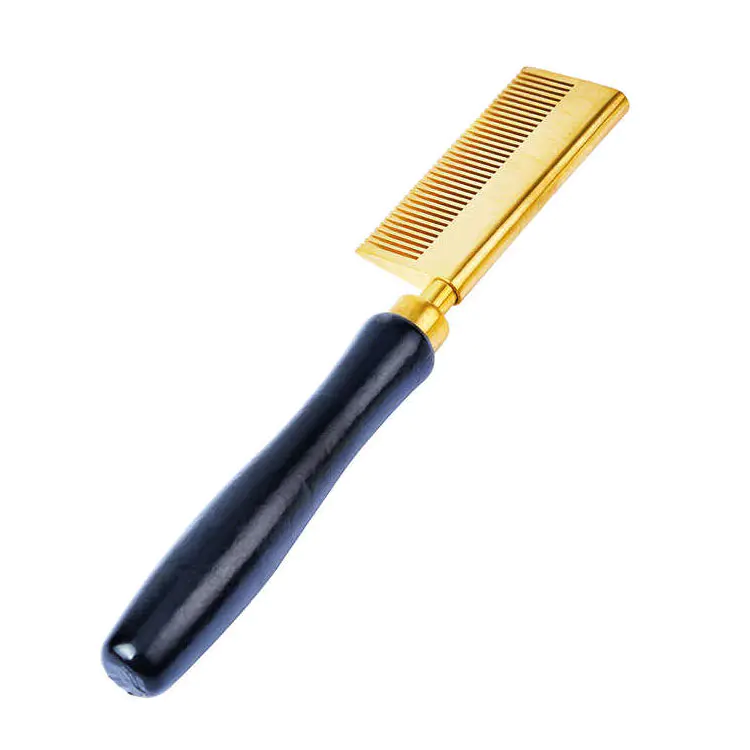
When I look at the tools that continue to stay relevant in hair styling, Pressing Comb Brass always stands out. Trends change, materials evolve, and customers become more demanding, yet brass pressing combs still hold their place because they solve real problems that users face every day. They heat evenly, support better styling control, and help create smoother results for textured, coarse, thick, and wig hair when used correctly.
That is also why manufacturers such as Ningbo Ruishi Technology Co., Ltd. continue to invest in this category. Buyers are not just looking for a hot tool that works once. They want reliable heat performance, safer handling, practical design, and a product that fits retail, salon, and private label needs without unnecessary complexity.
Article Summary
This article explores why Pressing Comb Brass remains a practical styling solution for today’s market. I break down what makes brass valuable, what pain points customers often face with heated pressing combs, how buyers can judge product quality, and which features matter most when choosing a supplier. I also explain where brass pressing combs work best, how they compare with other materials, and what questions serious buyers should ask before placing an order.
Table of Contents
Outline
-
Why brass remains relevant in heated styling tools
-
Common frustrations users experience with poor-quality pressing combs
-
Key product details that affect real styling performance
-
Differences between brass and alternative materials
-
What importers, brand owners, and distributors should evaluate before buying
-
Frequently asked questions from the market
What makes Pressing Comb Brass valuable?
I think the biggest reason Pressing Comb Brass continues to matter is simple: it offers a practical balance between heat transfer, styling efficiency, and user familiarity. In the real world, customers do not buy a styling tool because of technical language alone. They buy it because they want a smoother finish, less pulling, more control near the roots, and a tool that feels dependable.
Brass has long been appreciated in heated comb design because it supports stable heat conduction. That matters when a user wants to straighten edges, smooth a wig line, tame coarse sections, or refine the shape of a style without going over the same area too many times. Uneven heat is frustrating. Weak heat is slow. Excessively harsh heat can create anxiety. A well-made brass pressing comb sits in the middle where performance feels efficient and predictable.
From a buyer’s perspective, this category also remains attractive because it is easy to position. The product speaks directly to visible styling concerns:
-
frizz control
-
smoother texture appearance
-
better edge and root access
-
usefulness for wigs and textured hair
-
quick heat-up for faster daily styling
That kind of functional clarity is valuable in both online and offline sales. Customers understand what the tool is for. Retailers understand how to present it. Importers understand where it fits in a broader personal care lineup.
Which customer pain points does it solve?
Let’s be honest: buyers in this category usually come to the market because something is not working well enough. Maybe they already sell hair tools but need a stronger niche item. Maybe their end customers complain about frizz, rough results, or styling tools that are too bulky. Maybe they want a pressing comb that works well for wigs, synthetic blends, or textured hair without feeling flimsy.
Here are some of the most common pain points I see in this segment:
|
Pain Point
|
What Users Experience
|
What a Better Brass Pressing Comb Should Improve
|
|
Uneven heat
|
Some sections straighten well while others stay rough
|
More consistent heat distribution across the comb surface
|
|
Slow styling time
|
Repeated passes make the routine long and tiring
|
Faster heat-up and more efficient smoothing
|
|
Frizz after styling
|
Hair looks puffed up instead of polished
|
Smoother finish with better heat contact
|
|
Poor grip or awkward handling
|
Users struggle to style roots or detailed areas
|
Better handle comfort and easier maneuverability
|
|
Limited versatility
|
The tool only works for one hair scenario
|
Use across natural hair, wigs, edges, and touch-ups
|
That is why a strong Pressing Comb Brass product is not just about material. It is about the entire user experience. Temperature range matters. Heating speed matters. Safety matters. Cord movement matters. Even packaging matters if the buyer is targeting retail shelves or e-commerce presentation.
What features should buyers care about most?
I would never recommend choosing a pressing comb based on appearance alone. In this product category, details make the difference between repeat orders and returns. Serious buyers should look beyond surface-level claims and focus on features that affect real usage.
The most important product features usually include:
-
Heat-up speed so users do not waste time waiting
-
Adjustable temperature settings for different hair textures and styling needs
-
Stable heat retention to support smoother results
-
Comfortable handle design for control during longer styling sessions
-
Swivel cord design to reduce tangling during movement
-
Auto shut-off function for added user confidence
-
Compatibility with wigs and textured hair for broader market value
For distributors and private label brands, these features also improve product storytelling. It is easier to sell a tool when the benefits are immediately understandable. A customer does not need an engineering lecture. They need to know why the tool feels better in the hand and performs better in real styling conditions.
I also think buyers should care about product consistency. One of the fastest ways to damage trust in this category is to receive a batch where heating response or finishing quality is inconsistent. That is why manufacturing control matters just as much as product design.
How does brass compare with other comb materials?
Not every customer will ask about materials directly, but many professional buyers should. The material affects heat behavior, positioning, and end-user expectations. Brass remains attractive because it combines a classic reputation with practical functionality.
|
Material
|
Common Market Perception
|
Possible Strength
|
Possible Limitation
|
|
Brass
|
Traditional and performance-oriented
|
Good heat conduction and familiar styling feel
|
Needs proper temperature control and good design execution
|
|
Aluminum
|
Lightweight and cost-sensitive
|
Often easier to position in lower-price segments
|
May feel less premium depending on build quality
|
|
Ceramic-coated structures
|
Smooth and modern
|
Can support gentler glide perception
|
Market expectations may vary by coating quality
|
|
Mixed-material designs
|
Feature-driven
|
Useful for balancing handling and heat behavior
|
Quality depends heavily on manufacturing control
|
So is brass always the only answer? Not necessarily. But when the goal is a classic heated pressing experience with strong practical appeal, Pressing Comb Brass remains a very convincing option. It carries familiarity, functionality, and market recognition at the same time.
Why do wholesale buyers and brands still choose it?
Because it solves a sales problem as much as a styling problem.
Many buyers today are under pressure from both sides. On one side, end customers want better results and fewer disappointments. On the other side, the market is full of lookalike tools that compete mainly on price. That makes it harder to build margin with generic products.
A well-positioned Pressing Comb Brass product helps brands stand out because it has a clearer use case. It is not just another styling device. It is a focused tool for smoothing, pressing, root work, wig styling, and texture management. That specificity helps with:
-
product differentiation
-
clearer online conversion messaging
-
better category segmentation
-
private label expansion
-
stronger salon and beauty supply positioning
For importers and distributors, this can be especially useful when building a catalog with both broad-demand items and niche-performance products. A brass pressing comb may not replace every hot styling tool, but it can strengthen the lineup and improve category depth.
This is where an experienced manufacturer becomes important. Buyers often need more than one product. They may want packaging customization, logo support, quality documentation, or flexible product development. A company such as Ningbo Ruishi Technology Co., Ltd. fits into that conversation because buyers in this market often prefer suppliers who can support customization and long-term cooperation rather than just ship a basic item once.
How can I choose the right supplier?
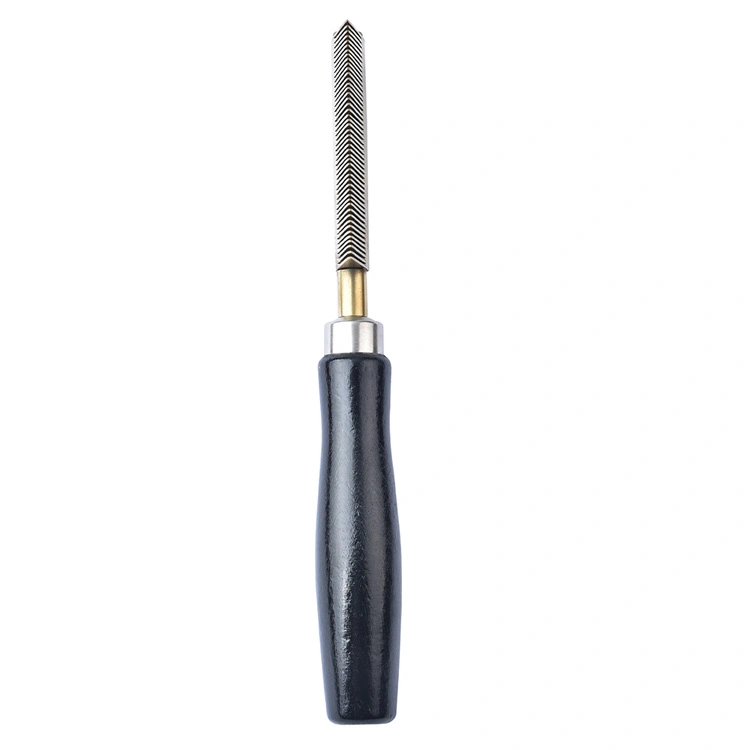
I would start with a very practical mindset. Do not choose only by catalog images. Choose by evidence of reliability.
Here is the checklist I would use before moving forward:
-
Does the supplier clearly understand the product’s actual styling use cases?
-
Can they explain the temperature range and usage scenarios in a realistic way?
-
Do they support customization for branding, packaging, or product details?
-
Do they appear experienced in this specific category rather than generalizing across unrelated products?
-
Can they communicate clearly about lead times, quality control, and after-sales support?
-
Do they offer enough product variety to help future expansion?
I also recommend asking for clarity on positioning. Some suppliers are strong in low-cost volume. Others are better for higher-value branded lines. Those are not the same thing. If your target market is beauty supply stores, salon distributors, or customers who care about styling precision, the wrong positioning can create unnecessary problems later.
Good sourcing decisions usually come down to this: the product should be easy to understand, easy to trust, and easy to sell. That sounds simple, but it rules out many weak options immediately.
FAQ
Is Pressing Comb Brass suitable for textured or coarse hair?
Yes, it is commonly chosen for textured, coarse, or thick hair because it helps target roots and supports smoother styling when used properly.
Do buyers only use this product for natural hair?
No. Many buyers also position it for wigs, edge work, touch-ups, and certain synthetic hair applications, depending on the temperature control and usage instructions.
Why do adjustable temperatures matter so much?
Because different hair textures and styling tasks need different heat levels. A fixed-temperature tool is more limiting and may reduce customer satisfaction.
Is brass still relevant when so many new materials exist?
Yes. Brass remains relevant because it has a strong performance reputation and a familiar styling feel that many users still value.
What should private label buyers ask first?
They should ask about customization options, production consistency, safety features, temperature specifications, packaging support, and lead time expectations.
Can a brass pressing comb help reduce frizz?
It can help create a smoother appearance when the heat performance is stable and the product is used correctly for the hair type and styling goal.
If I were sourcing this category today, I would not waste time on vague promises. I would focus on a supplier that understands the real styling needs behind the product and can support dependable manufacturing. A good Pressing Comb Brass product should make life easier for the end user and make selling easier for the buyer.
If you are looking for a manufacturing partner with category experience, customization support, and practical product development capability, Ningbo Ruishi Technology Co., Ltd. is worth serious consideration. Contact us to discuss product details, branding options, and the right pressing comb solution for your market.
Back to top